
Jewels of Compassion: Integrating Avalokitesvara's Wisdom in Life's Journey

Jewels of Compassion: Integrating Avalokitesvara's Wisdom in Life's Journey

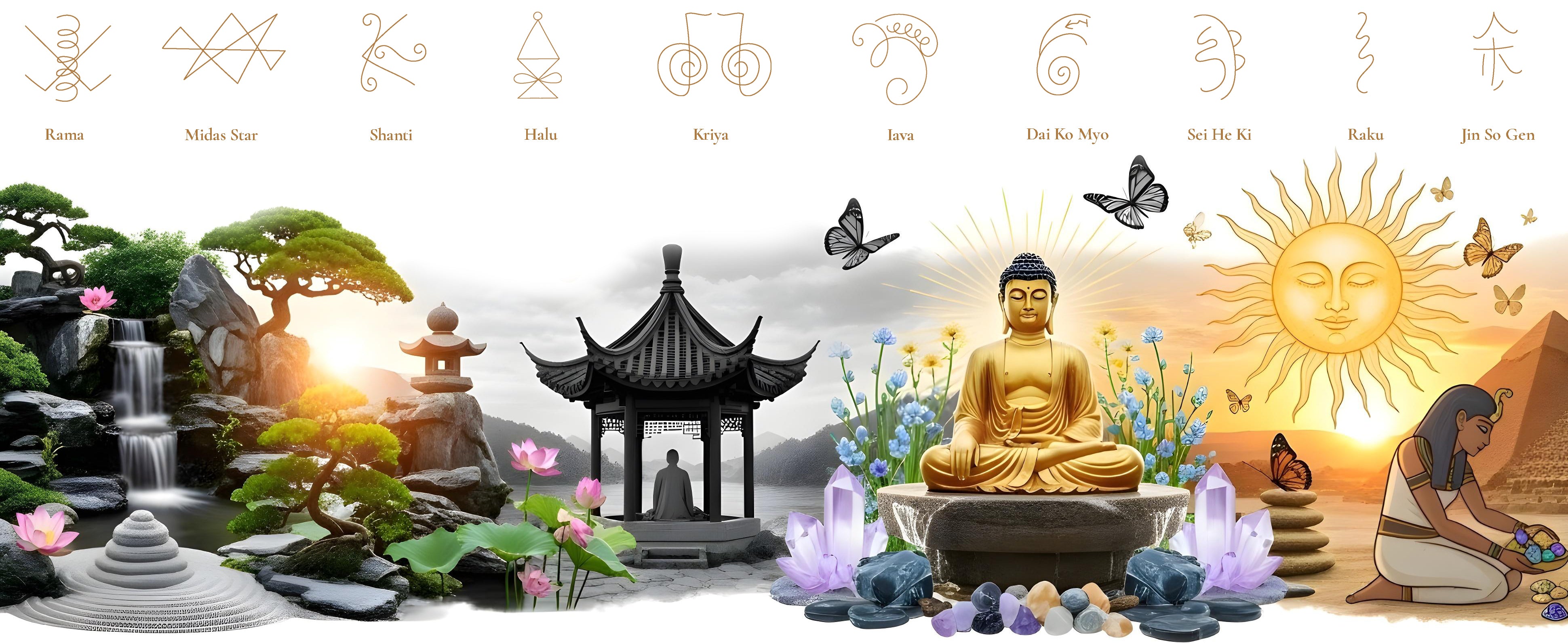
Buddhist teachings hold a rich tapestry of philosophical and spiritual insights. Rooted deeply in the quest for universal liberation, Buddhism traces its origins to the 6th century BCE, introduced by Gautama Buddha in northern India. Before becoming the enlightened sage, he was known as Prince Siddhartha, who left his royal life in pursuit of spiritual awakening.

Avalokitesvara, the Bodhisattva of Compassion, in traditional Buddhist art

The cornerstone of Buddhism is the profound understanding of life's realities. It enlightens us to the truth that suffering stems from human desires. To transcend this cycle of suffering, one must renounce these desires, adhere to the Noble Eightfold Path, and ultimately attain spiritual liberation. Buddhism also teaches that our actions bring about their own consequences, whether positive or negative.

Devotees worldwide have established Buddhist monasteries and temples, spreading the teachings of Lord Buddha. As these teachings disseminated, various traditions have emphasized different elements of the spiritual path to liberation.

Avalokitesvara (Bodhisattva of Compassion)

In the realm of Buddhism,Avalokitesvarais a Bodhisattva who personifies the compassion and mercy of all Buddhas across the cosmos. Known through 108 avatars, one of the most revered is Padmapani, the lotus bearer. Avalokitesvara is venerated throughout the Buddhist world, transcending both Mahayana and Theravada traditions. His mission is to delay his own enlightenment until he has guided every sentient being towards ultimate liberation, breaking free from the cycle of birth and rebirth. His name signifies 'the one who perceives the cries of the world'. He is honored across nations such as Tibet, Mongolia, Cambodia, Thailand, China, and others, with diverse interpretations and forms, such as Guanyin in China and Lokeshvara in Thailand.

He is often regarded as the earthly manifestation of the self-arisen, eternal Buddha Amitabha, recognized by his distinctive headdress. Avalokitesvara is believed to protect the world during the transitional period between the departure of Gautama Buddha and the advent of Maitreya, the future Buddha.

The compassionate Bodhisattva is said to safeguard humanity from calamities like shipwrecks, assassins, fires, wild animals, and thieves. He is revered in many Buddhist scriptures, known as Sutras, with popular teachings like "Form is Emptiness and Emptiness is Form." (Om Mani Padme Hum).

The Significance of Avalokitesvara Jewelry

Avalokitesvara jewelry is cherished by spiritual seekers globally, embodying profound meanings and traditions. These adornments, such as neckpieces, are believed to absorb negative energies, alleviate anxiety, stabilize the mind and soul, enhance sleep, and promote inner tranquility. They offer spiritual grounding and protective energy, shielding wearers from harmful influences.

Through the root chakra, this jewelry establishes a connection with the earth, safeguarding against negativity and fortifying one's resolve. The Bodhisattva's image in jewelry form symbolizes the compassionate response to the world's suffering, assisting in the release from earthly troubles. Avalokitesvara represents honesty, truth, and sincerity, helping individuals uncover their hidden potential.

The jewelry imparts guidance for future endeavors, offering protection from potential threats. It infuses the wearer with positive energy, empowering them to overcome obstacles and persist on their path.

The Belief in Avalokitesvara

Humans inherently seek peace and serenity, and Avalokitesvara's compassionate image resonates as a beacon of tranquility and protection. His greatest teaching lies in his embodiment of compassion and mercy.

When we empathize with others' sufferings and treat them as our own, we strive to help with compassion and kindness. This practice not only enriches our character but also fills our lives with virtuous actions. Pursuing the Bodhisattva path to salvation is a compelling reason to embrace this jewelry.

Gautama

Buddha is often revered as a historical figure who lived as Siddhartha Gautama. However, the term Buddha transcends an individual; it signifies 'the enlightened one'. In Buddhism, Buddhas are depicted in art and scriptures in both earthly and celestial forms. There are Buddhas who impart teachings and those who do not, with figures from past, present, and future contexts. Thus, Buddha holds both metaphorical and literal meanings. Siddhartha Gautama, also known as Shakyamuni, is recognized as the founder of Buddhism, depicted with a gesture of fearlessness, his left hand resting on his lap, and his right hand raised with fingers pointing skyward.

The Faith in Gautama

Buddhism acknowledges that life is fraught with suffering. Engaging in spiritual practices like meditation, physical work, compassionate actions, and overall virtuous conduct can lead one to attain nirvana or enlightenment.

Maitreya

Maitreya is envisioned as the future Buddha who will descend to earth to impart new teachings when the Dharma of Gautama has faded. References to Maitreya date back to early 3rd-century scriptures. He is the only Bodhisattva honored within the Theravada tradition. Derived from the Sanskrit word 'Maitri' or 'Mitra' (friendliness), he is often depicted seated with ankles crossed in a relaxed fashion.

The Belief in Maitreya

Originating from Chinese folklore, Maitreya is esteemed as a symbol of auspiciousness due to his compassionate, peaceful, tolerant, and content demeanor.

The Role of Buddhist Jewelry

Jewelry serves purposes beyond mere adornment. While often worn to enhance beauty, jewelry steeped in philosophical, religious, or conceptual significance carries deeper meanings. It acts as a constant reminder of teachings or lessons throughout life. Buddhist jewelry exemplifies such adornments, embedding Buddhist symbols that inspire a more meaningful existence.

Buddhist symbols like the Buddha figure, the Bodhi tree leaf, the Dharma Chakra, and the lotus are commonly engraved in jewelry, each conveying unique life lessons. Wearing Buddhist jewelry not only enhances appearance but also serves as a reminder to pursue a better, more positive life.

Tara

Tara is a revered Buddhist savior goddess, celebrated in regions like Tibet, Nepal, and Mongolia. She is regarded as Avalokitesvara's feminine counterpart. According to legend, she emerged from Avalokitesvara's tear, which formed a lake upon touching the ground.

She is venerated as the goddess of compassion, guiding souls across the ocean to the other shore. Tara is also seen as a protector of earthly and spiritual journeys toward enlightenment.

Green Tara and Feng Shui

Among Tara's various forms, the green and white Taras are most recognized. Green Tara is distinguished by her unique gesture, setting her apart from other manifestations.

In Feng Shui, Green Tara is invoked to foster compassion and support. The green color symbolizes the wood element, which inspires compassion, renewal, flexibility, and growth.

The Major Deity Introduction

Bodhisattvas guide mortals toward enlightenment. Among numerous revered Bodhisattvas areAvalokitesvara, Manjusri, Kshitigarbha, Mahasthamaprapta, and Samantabhadra.

Amitabha

Amitabha, the Buddha of Boundless Light, is a prominent transcendent Buddha in Mahayana Buddhism. Mythology describes Amitabha as a great king who became a monk named Dharmakara.

In China and Japan, Amitabha is known as Amitayus (Infinite Life), worshipped for longevity. Depicted with ornaments and a crown, holding an ambrosia vase, he spills jewels symbolizing life.

The Faith in Amitabha

Amitabha represents infinite life. Reciting his name, especially when healthy, can lead to a favorable rebirth in the Western Pure Land. Hearing the names of different Buddhas reminds us of the virtues leading to our rebirth as humans, urging us to cherish life. Reciting Amitabha's name can bring health and prosperity.

Vairochana

Vairochana is revered as the source of the universe.

The Faith in Vairochana

Regular practice dedicated to Vairochana bestows various merits, purifying the heart and offering daily benefits.

Manjushri (Bodhisattva of Wisdom)

Manjushri embodies wisdom. In China, he is known as Wen-shu Shih-li, in Tibet 'Jam-dpal, and in Japan, Monju.

The Belief in Manjushri

As a symbol of wisdom, reciting Manjushri's name daily is believed to enhance mental clarity, understanding, and knowledge. Students are encouraged to recite his name twice daily.

Samantabhadra (Buddhist Icon of Practice)

Samantabhadra symbolizes virtue, vows, and truth, offering prolonged life. He aids in realizing actions with wisdom and fulfilling the aspirations of Buddhist seekers.

The Faith in Samantabhadra

Belief in Samantabhadra inspires the pursuit of wisdom and the righteous path in life.

Mahasthamaprapta (the Power of Wisdom)

Known as Daishizhi in China and Daiseishi in Japan, Mahasthamaprapta is depicted alongside Buddha Amitabha andAvalokitesvara, assisting in receiving the spirits of the faithful.

The Belief in Mahasthamaprapta

Mahasthamaprapta is revered for spreading wisdom among devotees. Those seeking career growth recite his name, as the Buddha's light dispels evil and brings auspiciousness, aiding progress in life.

Tathagata

Tathagata is an honorific title for Buddha, representing one who attains perfection through Buddhist principles.

The Faith in Tathagata

Reaching the state of Tathagata is challenging, achieved through dedication and effort. People worship to attain life's perfection.

Pratyeka-buddha

Pratyeka-Buddha denotes a Buddha who attains enlightenment independently by adhering to Buddhist teachings.

The Belief in Pratyeka-buddha

Pratyeka-Buddha symbolizes virtues. By following Buddha's teachings or becoming a monk, one can reach life's ultimate goal.

Dhyani-Buddha

The five Dhyani Buddhas are key icons in Mahayana Buddhism, visualized in tantric meditation. They include Akshobhya, Amitabha, Ratnasmabhava, Amoghasidhi, and Virocana, each representing a unique aspect of worship.

The Faith in Dhyani Buddha

Akshobhya signifies immovability, Amitabha infinite light, Amoghasidhi almighty conquest, Ratnasmabhava jewel-born, and Virocana light embodiment. Meditation on them helps overcome desires and gain wisdom.

Kshitigarbha (Savior of Beings in Hell)

Kshitigarbha is venerated in East Asian Buddhism, as a savior of the condemned and protector of the oppressed.

The Belief in Kshitigarbha

Honoring Kshitigarbha shields families from illness and misfortune. Reciting his name blesses families with healthy children.

Bhaisajyaguru

Also known as the Medicine Buddha, Bhaisajyaguru heals physical and mental ailments, purifying the karma of both living and deceased beings.

The Belief in Bhaisajyaguru

Devotees honor Bhaisajyaguru to cleanse negativity and karma, promoting spiritual purity.

Conclusion

With insights into Buddhism and its modern symbolism, wearing Buddhist jewelry can be a meaningful way to embrace spirituality and tranquility in life.

In the stillness of meditation, we uncover the vast reservoir of compassion within. As we adorn ourselves with symbols of Avalokitesvara, let us remember that true peace arises not from external possessions but from the heart's unwavering commitment to kindness and understanding. In each moment, may we cultivate compassion, acknowledging that the path to enlightenment is a journey shared with all beings.

What benefits does Avalokitesvara jewelry provide?

Avalokitesvara jewelry is believed to absorb negative energies, promote mental clarity, and provide spiritual grounding, helping individuals find peace and stability in their lives.

Can anyone wear Buddhist jewelry?

Yes, Buddhist jewelry can be worn by anyone seeking to embrace its spiritual significance. It serves as a reminder of Buddhist teachings and encourages a life of mindfulness and compassion.

How does Buddhist jewelry help in daily life?

Wearing Buddhist jewelry can inspire mindfulness and positivity, reminding individuals to approach life with compassion and to stay grounded amidst challenges.

Buddhist teachings hold a rich tapestry of philosophical and spiritual insights. Rooted deeply in the quest for universal liberation, Buddhism traces its origins to the 6th century BCE, introduced by Gautama Buddha in northern India. Before becoming the enlightened sage, he was known as Prince Siddhartha, who left his royal life in pursuit of spiritual awakening.

Avalokitesvara, the Bodhisattva of Compassion, in traditional Buddhist art

The cornerstone of Buddhism is the profound understanding of life's realities. It enlightens us to the truth that suffering stems from human desires. To transcend this cycle of suffering, one must renounce these desires, adhere to the Noble Eightfold Path, and ultimately attain spiritual liberation. Buddhism also teaches that our actions bring about their own consequences, whether positive or negative.

Devotees worldwide have established Buddhist monasteries and temples, spreading the teachings of Lord Buddha. As these teachings disseminated, various traditions have emphasized different elements of the spiritual path to liberation.

Avalokitesvara (Bodhisattva of Compassion)

In the realm of Buddhism,Avalokitesvarais a Bodhisattva who personifies the compassion and mercy of all Buddhas across the cosmos. Known through 108 avatars, one of the most revered is Padmapani, the lotus bearer. Avalokitesvara is venerated throughout the Buddhist world, transcending both Mahayana and Theravada traditions. His mission is to delay his own enlightenment until he has guided every sentient being towards ultimate liberation, breaking free from the cycle of birth and rebirth. His name signifies 'the one who perceives the cries of the world'. He is honored across nations such as Tibet, Mongolia, Cambodia, Thailand, China, and others, with diverse interpretations and forms, such as Guanyin in China and Lokeshvara in Thailand.

He is often regarded as the earthly manifestation of the self-arisen, eternal Buddha Amitabha, recognized by his distinctive headdress. Avalokitesvara is believed to protect the world during the transitional period between the departure of Gautama Buddha and the advent of Maitreya, the future Buddha.

The compassionate Bodhisattva is said to safeguard humanity from calamities like shipwrecks, assassins, fires, wild animals, and thieves. He is revered in many Buddhist scriptures, known as Sutras, with popular teachings like "Form is Emptiness and Emptiness is Form." (Om Mani Padme Hum).

The Significance of Avalokitesvara Jewelry

Avalokitesvara jewelry is cherished by spiritual seekers globally, embodying profound meanings and traditions. These adornments, such as neckpieces, are believed to absorb negative energies, alleviate anxiety, stabilize the mind and soul, enhance sleep, and promote inner tranquility. They offer spiritual grounding and protective energy, shielding wearers from harmful influences.

Through the root chakra, this jewelry establishes a connection with the earth, safeguarding against negativity and fortifying one's resolve. The Bodhisattva's image in jewelry form symbolizes the compassionate response to the world's suffering, assisting in the release from earthly troubles. Avalokitesvara represents honesty, truth, and sincerity, helping individuals uncover their hidden potential.

The jewelry imparts guidance for future endeavors, offering protection from potential threats. It infuses the wearer with positive energy, empowering them to overcome obstacles and persist on their path.

The Belief in Avalokitesvara

Humans inherently seek peace and serenity, and Avalokitesvara's compassionate image resonates as a beacon of tranquility and protection. His greatest teaching lies in his embodiment of compassion and mercy.

When we empathize with others' sufferings and treat them as our own, we strive to help with compassion and kindness. This practice not only enriches our character but also fills our lives with virtuous actions. Pursuing the Bodhisattva path to salvation is a compelling reason to embrace this jewelry.

Gautama

Buddha is often revered as a historical figure who lived as Siddhartha Gautama. However, the term Buddha transcends an individual; it signifies 'the enlightened one'. In Buddhism, Buddhas are depicted in art and scriptures in both earthly and celestial forms. There are Buddhas who impart teachings and those who do not, with figures from past, present, and future contexts. Thus, Buddha holds both metaphorical and literal meanings. Siddhartha Gautama, also known as Shakyamuni, is recognized as the founder of Buddhism, depicted with a gesture of fearlessness, his left hand resting on his lap, and his right hand raised with fingers pointing skyward.

The Faith in Gautama

Buddhism acknowledges that life is fraught with suffering. Engaging in spiritual practices like meditation, physical work, compassionate actions, and overall virtuous conduct can lead one to attain nirvana or enlightenment.

Maitreya

Maitreya is envisioned as the future Buddha who will descend to earth to impart new teachings when the Dharma of Gautama has faded. References to Maitreya date back to early 3rd-century scriptures. He is the only Bodhisattva honored within the Theravada tradition. Derived from the Sanskrit word 'Maitri' or 'Mitra' (friendliness), he is often depicted seated with ankles crossed in a relaxed fashion.

The Belief in Maitreya

Originating from Chinese folklore, Maitreya is esteemed as a symbol of auspiciousness due to his compassionate, peaceful, tolerant, and content demeanor.

The Role of Buddhist Jewelry

Jewelry serves purposes beyond mere adornment. While often worn to enhance beauty, jewelry steeped in philosophical, religious, or conceptual significance carries deeper meanings. It acts as a constant reminder of teachings or lessons throughout life. Buddhist jewelry exemplifies such adornments, embedding Buddhist symbols that inspire a more meaningful existence.

Buddhist symbols like the Buddha figure, the Bodhi tree leaf, the Dharma Chakra, and the lotus are commonly engraved in jewelry, each conveying unique life lessons. Wearing Buddhist jewelry not only enhances appearance but also serves as a reminder to pursue a better, more positive life.

Tara

Tara is a revered Buddhist savior goddess, celebrated in regions like Tibet, Nepal, and Mongolia. She is regarded as Avalokitesvara's feminine counterpart. According to legend, she emerged from Avalokitesvara's tear, which formed a lake upon touching the ground.

She is venerated as the goddess of compassion, guiding souls across the ocean to the other shore. Tara is also seen as a protector of earthly and spiritual journeys toward enlightenment.

Green Tara and Feng Shui

Among Tara's various forms, the green and white Taras are most recognized. Green Tara is distinguished by her unique gesture, setting her apart from other manifestations.

In Feng Shui, Green Tara is invoked to foster compassion and support. The green color symbolizes the wood element, which inspires compassion, renewal, flexibility, and growth.

The Major Deity Introduction

Bodhisattvas guide mortals toward enlightenment. Among numerous revered Bodhisattvas areAvalokitesvara, Manjusri, Kshitigarbha, Mahasthamaprapta, and Samantabhadra.

Amitabha

Amitabha, the Buddha of Boundless Light, is a prominent transcendent Buddha in Mahayana Buddhism. Mythology describes Amitabha as a great king who became a monk named Dharmakara.

In China and Japan, Amitabha is known as Amitayus (Infinite Life), worshipped for longevity. Depicted with ornaments and a crown, holding an ambrosia vase, he spills jewels symbolizing life.

The Faith in Amitabha

Amitabha represents infinite life. Reciting his name, especially when healthy, can lead to a favorable rebirth in the Western Pure Land. Hearing the names of different Buddhas reminds us of the virtues leading to our rebirth as humans, urging us to cherish life. Reciting Amitabha's name can bring health and prosperity.

Vairochana

Vairochana is revered as the source of the universe.

The Faith in Vairochana

Regular practice dedicated to Vairochana bestows various merits, purifying the heart and offering daily benefits.

Manjushri (Bodhisattva of Wisdom)

Manjushri embodies wisdom. In China, he is known as Wen-shu Shih-li, in Tibet 'Jam-dpal, and in Japan, Monju.

The Belief in Manjushri

As a symbol of wisdom, reciting Manjushri's name daily is believed to enhance mental clarity, understanding, and knowledge. Students are encouraged to recite his name twice daily.

Samantabhadra (Buddhist Icon of Practice)

Samantabhadra symbolizes virtue, vows, and truth, offering prolonged life. He aids in realizing actions with wisdom and fulfilling the aspirations of Buddhist seekers.

The Faith in Samantabhadra

Belief in Samantabhadra inspires the pursuit of wisdom and the righteous path in life.

Mahasthamaprapta (the Power of Wisdom)

Known as Daishizhi in China and Daiseishi in Japan, Mahasthamaprapta is depicted alongside Buddha Amitabha andAvalokitesvara, assisting in receiving the spirits of the faithful.

The Belief in Mahasthamaprapta

Mahasthamaprapta is revered for spreading wisdom among devotees. Those seeking career growth recite his name, as the Buddha's light dispels evil and brings auspiciousness, aiding progress in life.

Tathagata

Tathagata is an honorific title for Buddha, representing one who attains perfection through Buddhist principles.

The Faith in Tathagata

Reaching the state of Tathagata is challenging, achieved through dedication and effort. People worship to attain life's perfection.

Pratyeka-buddha

Pratyeka-Buddha denotes a Buddha who attains enlightenment independently by adhering to Buddhist teachings.

The Belief in Pratyeka-buddha

Pratyeka-Buddha symbolizes virtues. By following Buddha's teachings or becoming a monk, one can reach life's ultimate goal.

Dhyani-Buddha

The five Dhyani Buddhas are key icons in Mahayana Buddhism, visualized in tantric meditation. They include Akshobhya, Amitabha, Ratnasmabhava, Amoghasidhi, and Virocana, each representing a unique aspect of worship.

The Faith in Dhyani Buddha

Akshobhya signifies immovability, Amitabha infinite light, Amoghasidhi almighty conquest, Ratnasmabhava jewel-born, and Virocana light embodiment. Meditation on them helps overcome desires and gain wisdom.

Kshitigarbha (Savior of Beings in Hell)

Kshitigarbha is venerated in East Asian Buddhism, as a savior of the condemned and protector of the oppressed.

The Belief in Kshitigarbha

Honoring Kshitigarbha shields families from illness and misfortune. Reciting his name blesses families with healthy children.

Bhaisajyaguru

Also known as the Medicine Buddha, Bhaisajyaguru heals physical and mental ailments, purifying the karma of both living and deceased beings.

The Belief in Bhaisajyaguru

Devotees honor Bhaisajyaguru to cleanse negativity and karma, promoting spiritual purity.

Conclusion

With insights into Buddhism and its modern symbolism, wearing Buddhist jewelry can be a meaningful way to embrace spirituality and tranquility in life.

In the stillness of meditation, we uncover the vast reservoir of compassion within. As we adorn ourselves with symbols of Avalokitesvara, let us remember that true peace arises not from external possessions but from the heart's unwavering commitment to kindness and understanding. In each moment, may we cultivate compassion, acknowledging that the path to enlightenment is a journey shared with all beings.

What benefits does Avalokitesvara jewelry provide?

Avalokitesvara jewelry is believed to absorb negative energies, promote mental clarity, and provide spiritual grounding, helping individuals find peace and stability in their lives.

Can anyone wear Buddhist jewelry?

Yes, Buddhist jewelry can be worn by anyone seeking to embrace its spiritual significance. It serves as a reminder of Buddhist teachings and encourages a life of mindfulness and compassion.

How does Buddhist jewelry help in daily life?

Wearing Buddhist jewelry can inspire mindfulness and positivity, reminding individuals to approach life with compassion and to stay grounded amidst challenges.