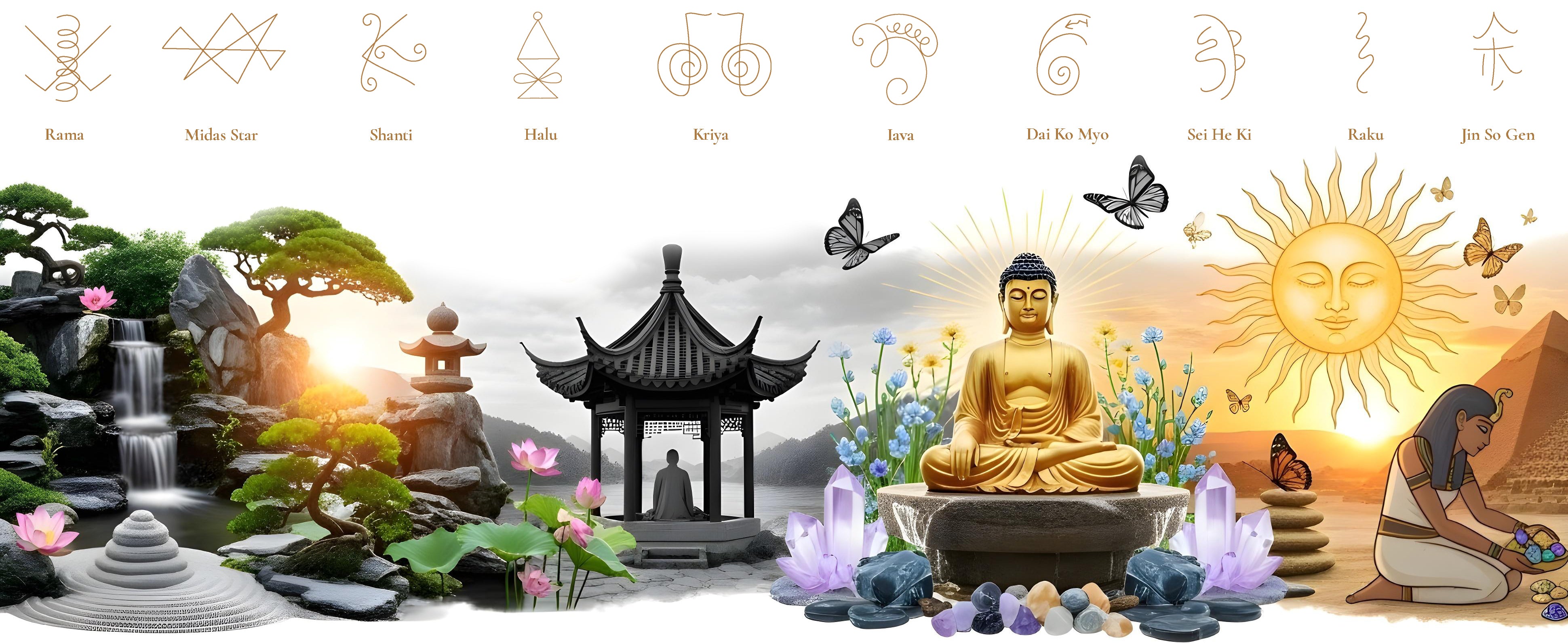
Buddha bracelets have gracefully woven their way into modern fashion as meaningful adornments. If you find yourself curious about the essence of Buddha bracelets, your quest for understanding starts here.
These bracelets are thoughtfully created using various natural elements, with beads being the most common. They are believed to augment one's spiritual vitality and energy.
For those drawn to Buddha bracelets, it is crucial to wear them with pure intentions. Traditionally, the mala's primary materials are employed in meditation, mantras, and prayers.
What is a Buddha Bracelet?
Initially, they might resemble ordinary organic bracelets, but upon deeper inspection, their uniqueness is evident.
A Buddha bracelet serves as a spiritual adornment, steeped in the rich history and traditions of Buddha. Historically, they were worn as symbols of healing and spiritual elevation.
In contemporary times, Buddha bracelets embody positive virtues such as freedom, intelligence, and love. It's important to note that the number of beads or components should ideally not exceed 108.
History Of The Buddha Bracelet
The significance of Buddha bracelets is deeply rooted in the origins of Buddhism.
Followers of Buddhism embrace life's harmony and the notion of inherent suffering. They seek solace through introspection and meditation to find happiness.
According to these teachings, happiness can be attained regardless of external circumstances. By focusing inward, individuals can discover peace and a steadfast anchor amid life's challenges.
Buddhism teaches that human energy is eternal, and upon passing, individuals transition into another life, spreading love and dispelling darkness. Each phase offers valuable lessons for personal growth, whether through a deeper comprehension of energy or through meditation and prayer.
A Buddha bracelet encapsulates these beliefs, offering the wearer enhanced spiritual energy to traverse the path of enlightenment. It is also utilized for energy collection and healing.
Types of Buddha Bracelet

Buddha bracelets, as previously mentioned, can be crafted from various organic materials. Among the most cherished are the following:
Tiger's Eye Stone
Tiger's eye Buddha bracelets are particularly favored as wearable talismans, empowering the wearer to make wise decisions.
Beyond decision-making, the tiger's eye material is believed to impart strength, resolve, and confidence. In alignment with its name, bracelets made of Tiger's Eye Stone promote prosperity and good fortune.
Those who wear this type of Buddha bracelet often experience a deeper connection to their chakra energy.
Citrine
Citrine is seen as a refreshing material, bringing the wearer a zest for life.
Buddha bracelets with citrine are thought to attract luck and prosperity, while also boosting the wearer's self-assurance. Uniquely, citrine can unlock creative potential, aiding those in artistic pursuits.
Ultimately, this type of Buddha bracelet encourages the wearer to pursue and achieve their aspirations.
Rock Crystal
For those seeking natural healing, consider a rock crystal Buddha bracelet. It's a treasured accessory for those aspiring to a long and prosperous life.
Rock crystal is linked to the Sahasrara chakra, which governs both inner and outer beauty. It also holds rejuvenating properties.
It's noteworthy that bead colors can offer diverse benefits. Purple enhances luck and prosperity; red boosts strength; white is associated with healing and tranquility. Yellow promotes success and new beginnings, while black, gray, and green primarily nourish the spirit.
Bones used in beads provide a unique reminder to practice compassion and appreciate all forms of life.
Buddha Bracelet Meaning
Buddha bracelets are sometimes called Buddhist bracelets, and they share the same essence.
They offer multi-dimensional benefits such as life, love, intelligence, freedom, and enjoyment, making them well-rounded for those seeking spiritual enrichment.
Often adorned with the Om symbol from Hinduism, Buddha bracelets grow in power through mantras referring to Avalokiteshvara, the bodhisattva of compassion.
Prayer beads significantly aid in meditation and focus. Within a family, they serve as talismans protecting members from harm and misfortune.
Spiritual Energy of Buddha Bracelet
Buddha bracelets are traditionally composed of mala beads, making them a favored choice for those on a journey toward spiritual enlightenment.
Their spiritual energy is derived from Buddhist traditions. Mala beads are crafted into compact bracelets for ease of carrying and are used to count mantra recitations.
The Buddhist bracelet is highly adaptable, accommodating various materials like seeds, wood, metal, and gems. It serves as a reminder to always walk the path of truth and righteousness.
Spiritually, the bracelet acts as a channel providing the wearer with essential energy. Often, people cling to negative emotions, unaware of their transient nature and the futility of dwelling on them.
It is believed that the mind influences overall health, both physical and mental, and that ailments originate from within. Buddha bracelets are sources of healing energy, guiding the mind toward renewal.
Different Buddhist Symbols
Buddhism utilizes several significant symbols, including the golden fish, conch shell, pearl, endless knot, Dharma wheel, and parasol.
Golden Fish
Golden fish symbols, usually in pairs, represent the Yamuna and Ganges rivers in India.
These rivers symbolize spontaneity and joy, with the fish embodying freedom to navigate life's currents and the cycle of rebirth.
Conch Shell
The conch shell is a revered emblem, often depicted vertically and adorned with silk ribbons.
It signifies honesty and courage, and for followers, it embodies their duty to spread Buddhism universally.
Pearl
Pearls, as precious jewels, hold profound meaning in Buddhism, symbolizing wealth, spiritual insight, wisdom, and empathy.
Some experts suggest pearls represent the mind, placed on the ashes of departed Buddha masters.
Endless Knot
Appearing across history and various religions, the knot in Buddhism symbolizes endless compassion, harmony, and wisdom.
Dharma Wheel
The Dharma Wheel, or Dharmachakra, is an ancient emblem of Buddhist teachings, akin to the Christian cross.
Its eight spokes represent the Eightfold Path, while the three spirals embody Buddhism's three jewels: the teacher, teachings, and community.
Parasol
In Sanskrit, parasols are known as 'Chatta', representing their basic function of providing shade.
Historically, parasols symbolized wealth and status. In Buddhism, they shield practitioners from evil and harm, with the dome shape symbolizing compassion and wisdom.
Why Wear the Buddha Bracelet?
Buddha bracelets embody deep significance, representing the peaceful essence and wisdom of Buddhism.
Since antiquity, the Buddhist bracelet has been acknowledged for bringing tranquility and calmness. The proximity of the beads provides spiritual energy and healing, infusing the wearer with revitalizing energy.
The beads emanate positive vibrations into the wearer's personal energy field. Wearing the bracelet on the left hand is believed to enhance its effects.
Historically, Buddhist practitioners have chanted the Six True Words, Om Ma Ni Pad Me Hum, guiding the soul toward enlightenment. Inscribed on a Buddha bracelet, these words serve as protection and further empower the beads.
Buddha Bracelet and Chakra
On the path to spiritual enlightenment, one encounters the seven Chakras.
To connect with a specific Chakra, one can pair a Buddha bracelet with certain stones or crystals.
Root Chakra
Located at the spine's base, the Root Chakra is the primary source of spiritual energy.
Strengthening this Chakra enhances clarity and promotes stability and spiritual grounding. Pairing Buddha beads with garnet, smoky quartz, or black obsidian can achieve this.
Sacral Chakra
Situated in the lower abdomen, the Sacral Chakra governs emotions, sexual desires, and creativity.
Tiger's eye, orange aventurine, and snowflake obsidian are effective companions to activate and balance the Svadhisthana.
Solar Plexus Chakra
The Solar Plexus Chakra influences perception and personality, driving self-esteem and willpower.
Combining a Buddha bracelet with amber, yellow quartz, or yellow jasper enhances these attributes.
Heart Chakra
Positioned in the chest, the Anahata governs emotions like love, pain, and respect.
Consistent engagement with the Heart Chakra enables better management of these feelings. Green jade, rose quartz, or green tourmaline are beneficial companions.
Throat Chakra
The Throat Chakra embodies purity and peace, influencing communication abilities.
Mala bracelets, paired with aquamarine, lapis lazuli, and celestite, balance energy in this area.
Third Eye Chakra
The Third Eye Chakra governs spiritual insight, intuition, and perception. Nurturing it provides clarity and enhances decision-making.
Buddhist bracelets, when combined with azurite and amethyst, enrich the Third Eye Chakra and meditation sessions.
Crown Chakra
The Crown Chakra represents spirituality and cosmic awareness, offering profound spiritual grounding and energy surplus.
Maximize your Buddha bracelet's potential by pairing it with moonstone, white opal, or crystal quartz.
Different Color Meanings of Buddhist Bracelet
Black. Symbolizes infinity and complements analytical thinkers.
Golden. Embodies confidence and courage, aiding decision-making.
Red. Enhances self-connection, providing luck and strength.
Blue. Releases inhibitions, improving communication.
Yellow. Converts pride into wisdom.
White. Transforms ignorance into wisdom and knowledge, warding off misfortune.
Multi-Colored. Represents life's facets, combining all color benefits.
Healing Buddha Bracelets
Healing Buddha bracelets focus on magnetic healing, enhancing physical and mental well-being.
When worn regularly, they emit magnetic fields balancing energies, promoting health benefits like increased oxygen, improved blood circulation, and better nutrient absorption.
Magnetic healing can also alleviate inflammation and bodily pain.
Buddha Bracelet and Meditation
Buddha bracelets serve as meditation aids, particularly in counting mantra recitations. Mala beads typically contain either 21 or 27 counts, depending on the mantra.
The bracelet's material and color guide which chakra the wearer seeks to balance. Practitioners often rotate beads with their thumb while resting on the second or third finger.
How to Wear Buddha Bracelet
Buddha bracelets can be worn as any accessory. Beyond healing and energy-enhancing properties, they complement the wearer's attire and style.
For optimal benefits, it's advised to wear the bracelet on the left wrist.
Due to its versatility, the meaning of a Buddha bracelet can vary. You can choose from diverse materials, colors, and complementary stones to achieve desired effects.
Conclusion
Versatile, potent, and stylish, the Buddha bracelet can positively impact your life. Consider wearing one for a spiritual boost and lasting connection with happiness and the cosmos.
Reflecting on the essence of the Buddha bracelet, we find a reminder of the impermanence of life and the importance of nurturing our spiritual journey. By wearing these beads, we align ourselves with the universe, promoting harmony and balance in our daily lives.
What is the significance of wearing a Buddha bracelet?
Wearing a Buddha bracelet serves as a reminder of spiritual growth and enlightenment. It enhances energy, encourages positive intentions, and provides protection and healing.
Can anyone wear a Buddha bracelet?
Yes, anyone can wear a Buddha bracelet, regardless of their spiritual background. The key is to wear it with respect and pure intention, embracing its traditional significance.
How do I choose the right Buddha bracelet for me?
Consider factors like the material, color, and the spiritual properties you seek. Select a bracelet that resonates with your personal journey and desired energy.