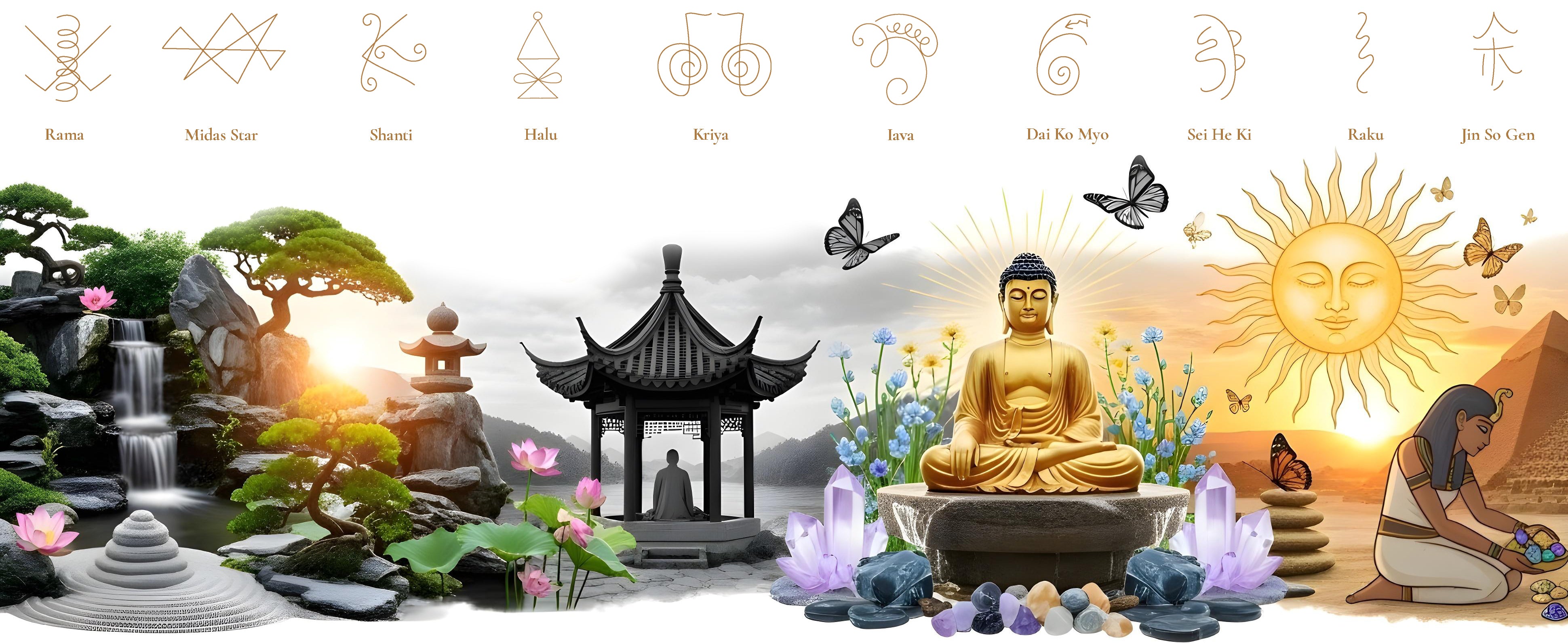
Feng Shui is a time-honored Chinese art dedicated to balancing the energies within our dwellings. This ancient practice holds that by arranging our homes in accordance with Feng Shui principles, we can invite balance, serenity, and positive vibes into our lives.
Incorporating Feng Shui into your home decor transcends mere style; it's about crafting a supportive atmosphere that nurtures well-being. By delving into the Five Elements and applying the Bagua Map, you can enhance the energy flow throughout your home.
Join us as we delve into the essence and practical use of Feng Shui, fostering harmony and positive energy in your daily existence.
Within this guide, we shall explore:
-
Introduction to Feng Shui
-
The Origins and Philosophy of Feng Shui
-
Understanding the Five Elements
-
The Bagua Map and Its Application
-
Enhancing Positive Energy Flow (Chi)
-
Daily Practices to Maintain Feng Shui Balance
-
Conclusion: Embracing Feng Shui in Everyday Life

Introduction to Feng Shui
At its core, Feng Shui is about harmonizing individuals with their surroundings. The philosophy suggests that the organization and aesthetics of our spaces can significantly influence the flow of energy, known as "Chi," which impacts our emotions and well-being. By thoughtfully arranging furniture and decorations, we can amplify the positive energy in our environments.
A foundational aspect of Feng Shui is maintaining equilibrium, which considers factors like color, illumination, and nature in home design. For example, incorporating greenery or natural textures can evoke a sense of calm and connection to the earth. Similarly, proper lighting can invigorate a room, making it more appealing and lively.
An essential facet of Feng Shui is the strategic placement of items to facilitate a seamless energy flow. Clutter and disorder obstruct this flow, potentially causing stress or unease. Keeping areas tidy and organized aids in sustaining a tranquil environment. The objective is to establish a space where all elements are balanced, promoting a healthy and harmonious lifestyle.
Feng Shui underscores the profound impact our environments have on our daily experiences. By being attentive to how we arrange and adorn our homes, we can cultivate balance and positivity, transforming our living spaces into nurturing and motivating sanctuaries.
The Origins and Philosophy of Feng Shui
Feng Shui's origins trace back over 3,000 years to ancient China, grounded in a deep respect for nature and the conviction that the natural realm is brimming with "Chi." Early practitioners discerned that the spatial arrangement of objects could sway this energy flow, thereby affecting health and prosperity.
The core philosophy of Feng Shui is deeply entwined with harmonizing humanity and the environment, drawing from Taoist teachings that stress balance and the unity of all things. The Five Elements〞Wood, Fire, Earth, Metal, and Water〞are integral to Feng Shui, each representing different energies that influence life. Balancing these elements is key to creating a harmonious living space.
Feng Shui also incorporates the Yin-Yang theory, which centers on the equilibrium of opposites. Yin embodies tranquility and receptivity, while Yang signifies activity and vibrancy. The aim of Feng Shui is to harmonize these energies, crafting spaces that are both serene and lively, believed to enhance health, joy, and success.
The enduring appeal of Feng Shui lies in its practical application to improve everyday life. By aligning our surroundings with Feng Shui principles, we develop environments that bolster our well-being and mirror our intentions and values. This timeless practice remains relevant, imparting age-old wisdom for contemporary living.
Understanding the Five Elements
The Five Elements〞Wood, Fire, Earth, Metal, and Water〞are central to Feng Shui. They symbolize different energy types and interact to influence spatial harmony. Grasping these elements and their traits can help cultivate a balanced environment at home.
Wood
Wood represents growth, vitality, and adaptability. Its colors are green and brown. Integrating wood elements, like plants or wooden furnishings, can inspire creativity and growth. Wood energy is expansive, fostering development and new beginnings.
This element signifies strength and resilience. It stabilizes energy and offers a robust foundation. In Feng Shui, wood often bolsters familial harmony and health, strengthening bonds.
Fire
Fire embodies energy, passion, and transformation, linked to red, orange, and pink hues. Fire elements, such as candles or lights, invigorate spaces and add warmth. Fire energy is dynamic and intense, sparking motivation and enthusiasm.
Fire symbolizes fame and recognition, aiding in enhancing your reputation and drawing positive attention. Yet, excessive fire energy may cause restlessness, so balance with other elements is key.
Earth
Earth signifies stability, nourishment, and grounding, associated with yellow, beige, and light brown. Earth elements like ceramics or stones foster safety and security. Earth energy nurtures and stabilizes emotions, promoting well-being.
This element is linked to patience and reliability. In Feng Shui, earth strengthens relationships and supports long-term goals, providing grounding influence.
Metal
Metal represents clarity, precision, and efficiency, with colors like white, gray, and metallic tones. Metal elements, such as sculptures or frames, introduce order and focus. Metal energy is clear and clean, aiding decision-making.
Metal also symbolizes communication and sharpness of mind, enhancing clarity and thought processes. However, too much metal energy can cause rigidity, needing balance with softer elements.
Water
Water symbolizes flow, abundance, and intuition, tied to blue and black colors. Water elements, like fountains or mirrors, enhance positive energy flow and support emotional depth. Water energy is calming and reflective, soothing the mind.
Water is linked to wealth and prosperity, often used in Feng Shui to attract abundance and support financial growth. Water energy flow fosters opportunities and intuition enhancement.
Balancing these Five Elements can transform your living space into a harmonious and supportive environment. Each element contributes unique qualities for enhancing various life aspects. The aim is a balanced blend that meets your personal needs and goals.
The Bagua Map and Its Application
The Bagua Map is a vital Feng Shui tool, analyzing and boosting energy flow in spaces. It features an octagonal grid with nine sections, each representing life areas like wealth, career, health, and relationships. These sections align with specific elements, colors, and shapes for energy activation and balance.
To apply the Bagua Map, align it with your floor plan, usually placing the career section at the main entrance. Then, superimpose the grid over the space to identify which areas correspond to life aspects. For instance, the Wealth section is often in the far left corner from the entrance, while Love and Relationships occupy the far right.
Each Bagua Map section has distinct attributes and elements for enhancement or balance. To boost Wealth energy, add Wood elements like plants or items in green and purple. Conversely, the Career area, linked to Water, benefits from mirrors, water features, or black and dark blue items.
The Bagua Map reveals areas needing attention and guides intentional decoration to support life goals. Understanding and applying Bagua principles create spaces reflecting personal style while supporting aspirations and well-being. This tool offers a practical approach to aligning your environment with your intentions, balancing your life aspects.
Enhancing Positive Energy Flow (Chi)
Enhancing Chi flow at home creates a more harmonious and peaceful environment. Here are practical tips for improving room energy:
-
Maintain a clear entryway: A neat and inviting entrance lets Chi flow freely into your home. Avoid clutter and ensure good lighting.
-
Thoughtfully arrange furniture: In living areas, position seating to promote conversation and maintain clear pathways. Avoid blocking doors or windows.
-
Incorporate natural elements: Add plants, fresh flowers, or water features to enhance room energy. These elements bring vitality and calm.
-
Strategically use mirrors: Mirrors reflect light and energy. Place them to brighten spaces, but avoid facing beds or doors directly.
-
Regularly declutter: Remove unnecessary items, especially from bedrooms. A clean, organized space aids restful sleep and clear thinking.
-
Balance lighting: Use natural and artificial light to create a warm, inviting atmosphere. Avoid harsh lighting that overwhelms.
These adjustments ensure a smooth Chi flow, making your home more uplifting and supportive.
Daily Practices to Maintain Feng Shui Balance
Maintaining Feng Shui balance involves simple daily routines and Feng Shui items. Here's how to integrate Feng Shui home decor, jewelry, and meditation tools into daily life.
Feng Shui Home Decor
Begin each day by opening windows for fresh air and natural light, refreshing your home's energy. Tidy your space, keeping items in place, as a clean environment promotes positive Chi. Enhance energy with Feng Shui objects like natural stone trees, Buddha statues, or stone lions in key areas.
In the evening, use soft lighting for a soothing atmosphere. Natural elements like essential oils or stone ornaments purify spaces and promote relaxation. Spend a few minutes decluttering to prevent stagnant energy.
Feng Shui Jewelry
Feng Shui jewelry, like bracelets or necklaces, helps balance personal energy. Start your day wearing a Feng Shui piece with the intent of carrying positive energy. This small act sets a positive tone for the day.
Before bed, cleanse your jewelry by placing it on natural stone or using gentle incense. This practice keeps your jewelry energetically balanced, ready to support you daily.
Feng Shui Meditation Tools
Incorporate brief meditation or mindfulness with Feng Shui tools. Use mala beads, meditation cushions, or small statues to enhance your practice. These tools focus the mind and set positive intentions.
Regularly cleanse your meditation area with sage or essential oils, maintaining a calm, harmonious space for practice, ensuring positive, supportive energy.
Integrating these routines and Feng Shui items ensures a balanced, harmonious home. Consistency in practices fosters a nurturing environment, promoting household well-being.
Conclusion: Embracing Feng Shui in Everyday Life
Integrating Feng Shui principles can transform your home into a sanctuary of peace and joy. Simple changes, like rearranging furniture and adding natural elements, enhance positive energy flow. Practices like decluttering and using Feng Shui decor significantly impact well-being.
Feng Shui extends beyond aesthetics; it fosters a harmonious environment supporting daily life. Whether adding a Feng Shui tree, wearing balancing jewelry, or using meditation tools, these elements cultivate a calm, balanced atmosphere. The aim is to create a space that inspires and comforts.
For deeper Feng Shui practice, explore Buddha Stones' offerings. Our collection features items to enhance home energy and support personal growth.
Visit Buddhastoneshop.com to discover the perfect Feng Shui items for enriching your home and life. Our curated selection brings harmony and positive energy to every space aspect. Begin your journey to a more balanced, joyful home today.
Reflecting on the essence of Feng Shui, it reminds us that harmony within our spaces extends to harmony within ourselves. By consciously shaping our environment, we cultivate a space that nurtures our spirit and aligns with our life's intentions. As we embrace these principles, we foster a deeper connection to the present moment, inviting peace and prosperity into our lives.
What is the primary purpose of Feng Shui?
The primary purpose of Feng Shui is to harmonize the energy flow within spaces, promoting balance, well-being, and positive vibes in our lives by aligning our surroundings with these principles.
How can I start practicing Feng Shui at home?
Begin by decluttering your space, arranging furniture to facilitate energy flow, and incorporating natural elements like plants or water features. Using the Bagua Map can also help in identifying and enhancing key life areas.
Are there simple Feng Shui tips for beginners?
Yes, start by keeping the entryway clear and inviting, using mirrors to reflect light, and ensuring a balance of elements in each room. Regular decluttering and incorporating soothing natural elements can also be beneficial.